
Beijing–Florence Dual-Venue Forum Advances NFC Future with iTAP Standards and Ecosystem Collaboration
— From international technology exchange to standards development and testing practice: advancing the evolution of near-field communication (NFC) technology and industrial ecosystem collaboration.
From 14 to 16 October 2026, the ITMA & Ecma Workshop, the 17th 2026 Working Group Plenary Meeting, and the 3rd Testing Conference were held in Beijing—with the 14 October ITMA & Ecma NFC Standards and Ecosystem Seminar featuring live dual-venue linkage between Florence, Italy and Beijing, China, to foster technical exchange among international standards organizations and NFC value-chain stakeholders.
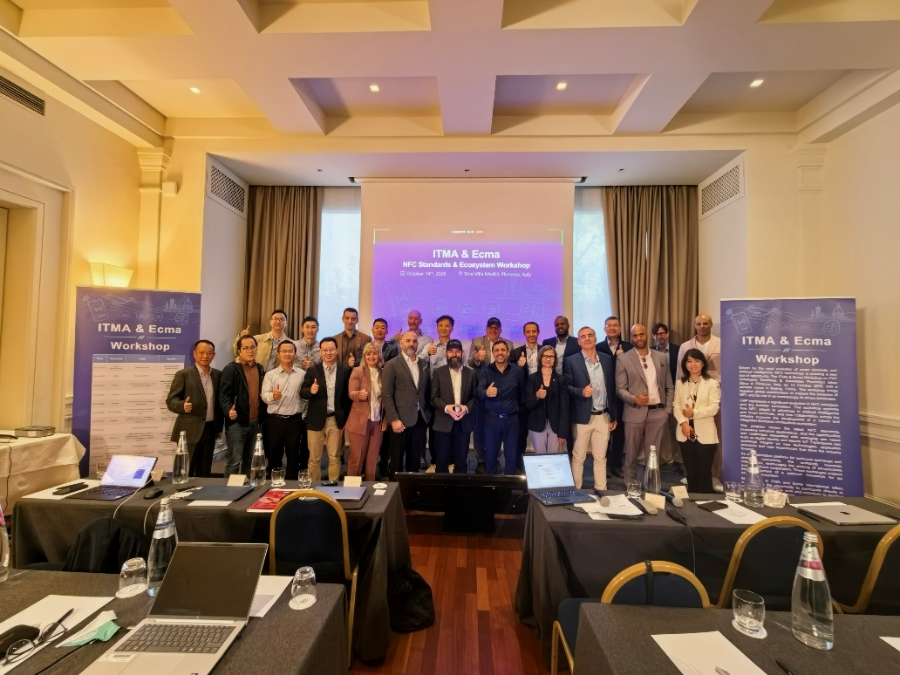
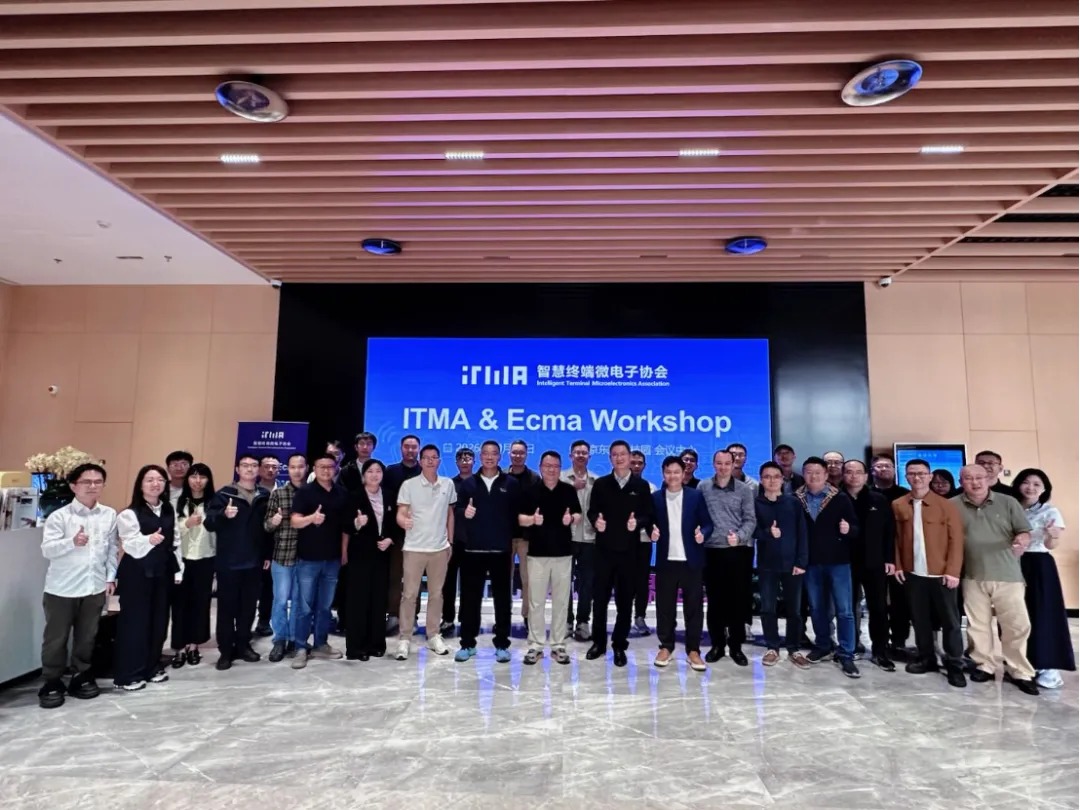
This series of meetings addressed NFC technology evolution, iTAP standards development, innovative application scenarios, interoperability, and testing & verification—spanning technical standards, terminal applications, industry collaboration, and hands-on testing practice.
As a sponsor of the meetings, Tsingteng Micro fully supported this series of exchange activities and contributed to discussions on NFC standards and ecosystem development through a keynote presentation.
1. Beijing–Florence linkage: Building a globally oriented NFC technology exchange platform
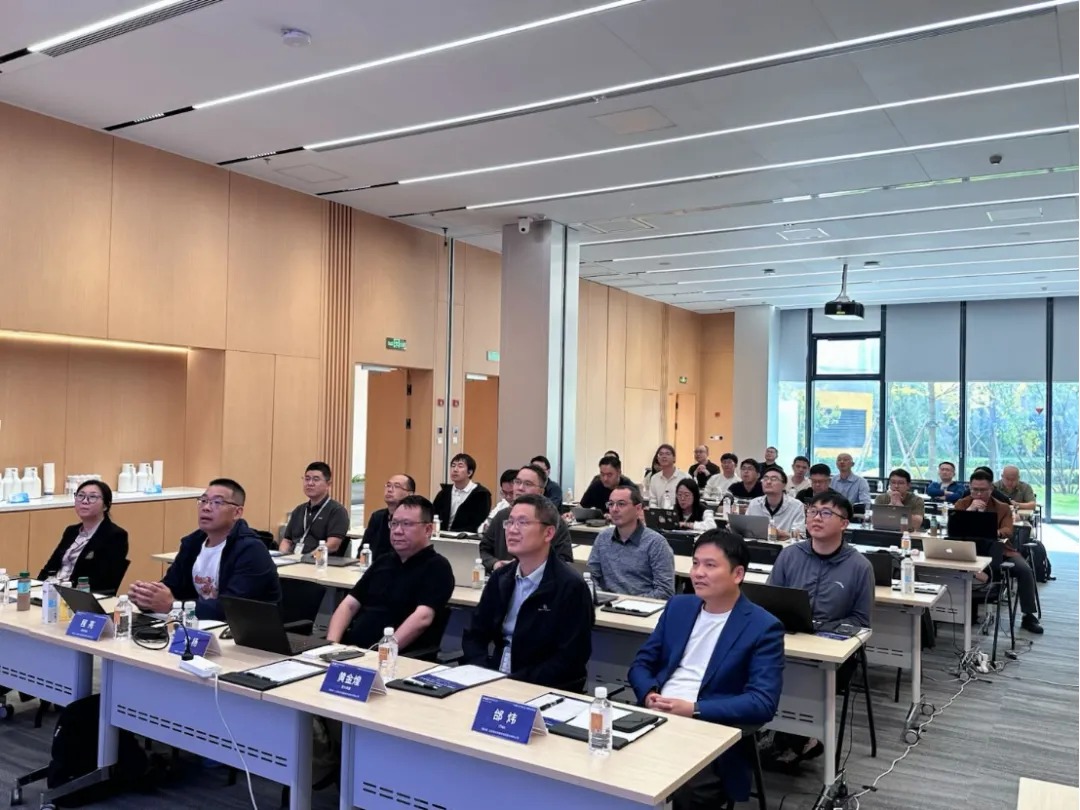
NFC development depends not only on continuous advancement in chip and terminal technologies, but also on collaborative engagement from standards bodies, technology providers, application service companies, and testing institutions.
Positioned as an international technology exchange initiative, this ITMA & Ecma Workshop connected Chinese and European industrial stakeholders to enable cross-regional dialogue on NFC standards, intelligent interaction, and next-generation digital services.
The agenda featured keynote presentations from Ecma International, ITMA, and multiple industry organizations, exploring the future trajectory of NFC applications from complementary technical and market perspectives. Alipay shared China-specific industry practices in NFC payment device and technology development, while Huawei introduced its ‘One Tap Experience with iTAP’ vision, highlighting user-facing interaction paradigms enabled by iTAP.
Keolabs, nexo standards, and Bankee addressed topics including NFC reliability, next-generation payment standards, and cross-border digital wallets; Xiongdi Technology expanded the iTAP application dialogue to include urban mobility and digital identity solutions.
Collectively, these presentations spanned diverse NFC application domains—enabling integrated discussion of payment technologies, near-field interaction, identity services, and cross-regional ecosystem collaboration on a unified platform.
The meetings also examined NFC application innovation in the AI era—providing industry participants a forum to explore emerging usage scenarios and associated technical requirements.
2. Focusing on standards: From technical specification discussion to industrial implementation
Standards development serves as a foundational enabler for integrating diverse devices, applications, and industrial stages into a cohesive, interoperable system.
At the 15 October Working Group Plenary Meeting, sessions centered on the iTAP technical standards framework and associated specifications—explicitly aligning standards development with real-world application requirements.
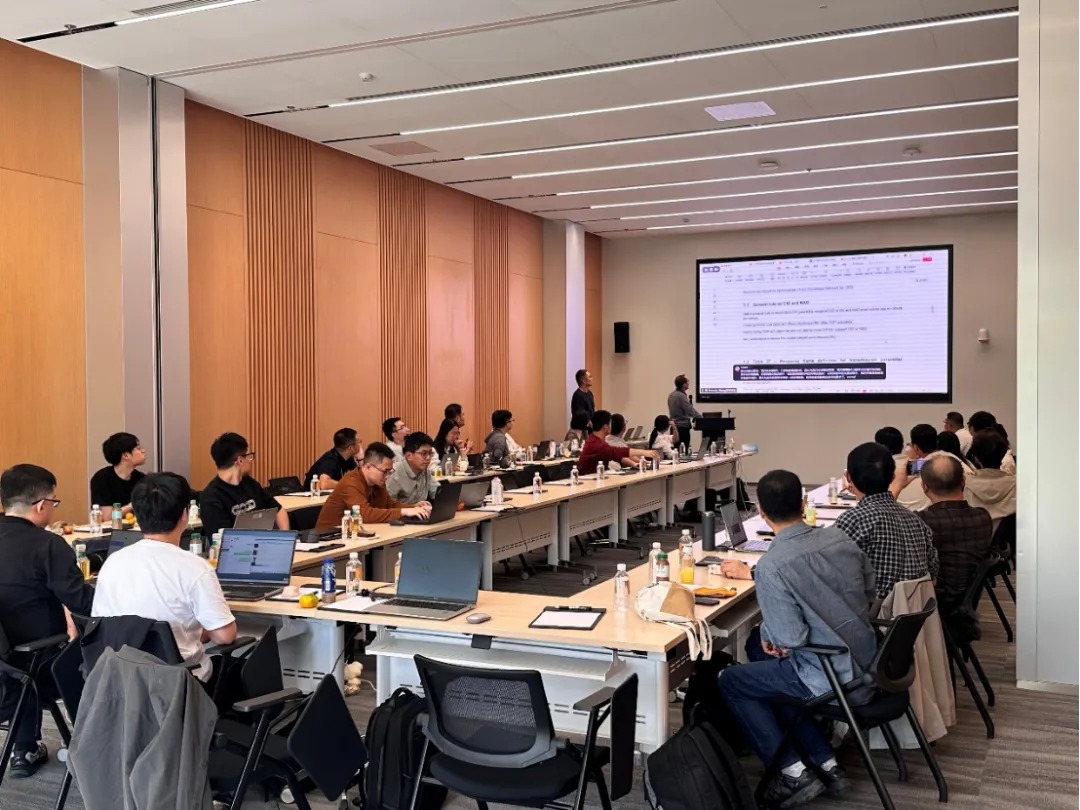
Agenda items included updates from the iTAP Technical Group, revision of the IS 12.005 ticketing standard, the draft IS 12.007 specification on carrier identification, the first draft of the iTAP tag specification, and governance rules for versioning and generational definitions within the iTAP standards system.
The working group also reviewed progress on ITMA’s collaboration with the NFC Forum, alongside topics including marketing strategy, standards promotion, and testing specifications.
From an industry perspective, unified and precisely defined technical specifications reduce integration barriers across heterogeneous devices and application systems—establishing a robust foundation for product development, system integration, and compatibility verification.
The value of this working group session lay in deepening the alignment between standards development and industrial demand—bringing technical discourse meaningfully closer to real-world application contexts.
Note: Revisions, publication, and implementation of standards documents remain subject to official announcements issued by the respective working groups and standards bodies.
3. Attention to testing: Advancing technical specification implementation through verification practice
Between a published standards document and a commercial end product, technical specifications must undergo rigorous testing and verification to ensure effective deployment in industrial applications.
The 16 October 3rd Testing Conference extended the meeting’s scope into practical iTAP testing methodologies and implementation experience.
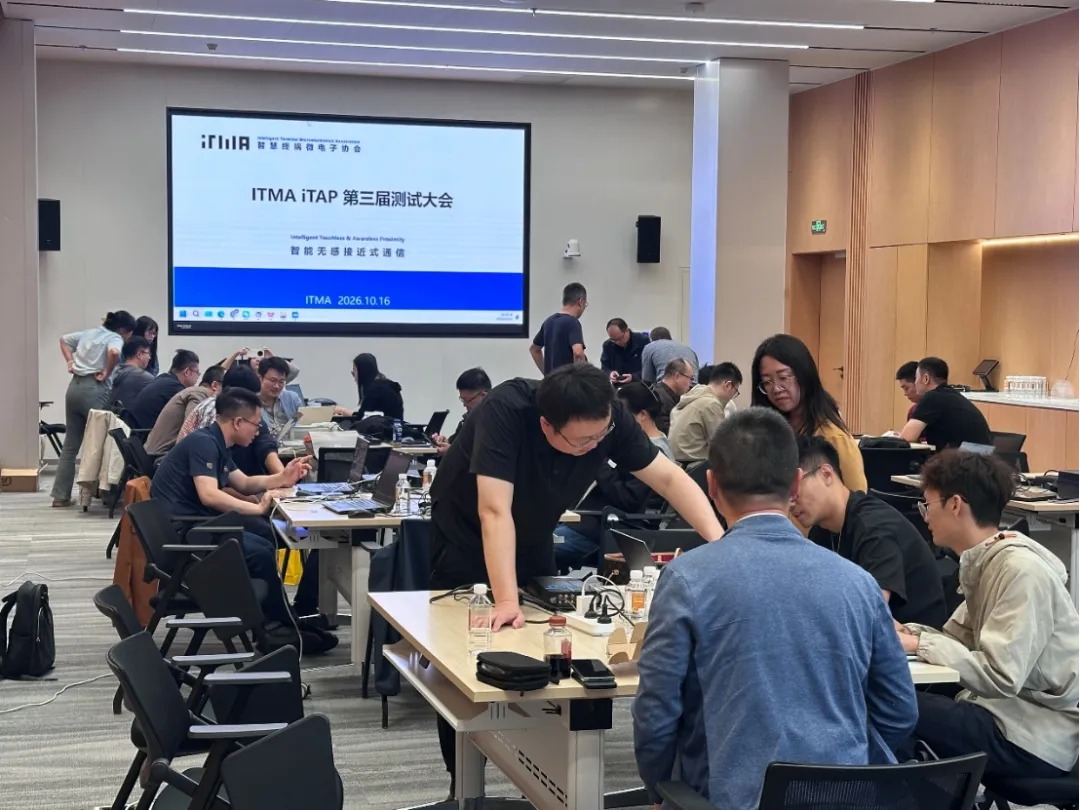
Sessions focused on access-layer conformance testing and compatibility testing—complemented by open discussion of testing challenges and collective experience sharing.
Conformance testing verifies whether an implementation meets defined technical requirements; compatibility testing assesses functional adaptation and interoperability across distinct implementations.
In real-world industrial deployments, terminal device types, software platforms, application environments, and technical implementations vary significantly. Dialogue on testing specifications, tooling, and field-observed challenges helps surface critical issues requiring sustained attention during technical specification implementation.
The Working Group Plenary also included proposals for revising testing specifications, developing compatibility test plans, and reviewing testing tools—effectively bridging technical discussion and operational testing practice. By progressing the conversation from technical specifications to verification methodology, this series underscored the essential synergy between standards advancement and testing maturity.
4. Tsingteng Micro: Engaging in industry exchange, tracking standards, and enabling real-world applications
As a sponsor of this series of meetings, Tsingteng Micro actively supported technical exchange and industry collaboration across the NFC ecosystem.
On the 14 October Workshop agenda, Ji Changxin, Marketing Director of Tsingteng Micro’s Intelligent Connectivity product line, delivered a keynote titled “Standards Are Walked Into Being: A Chip Company’s Path from Contributing to the iTAP Specification to Volume Production” (Walked, Not Written: From Spec to Scenes), exploring the dynamic interplay between technical specifications and industrial practice.
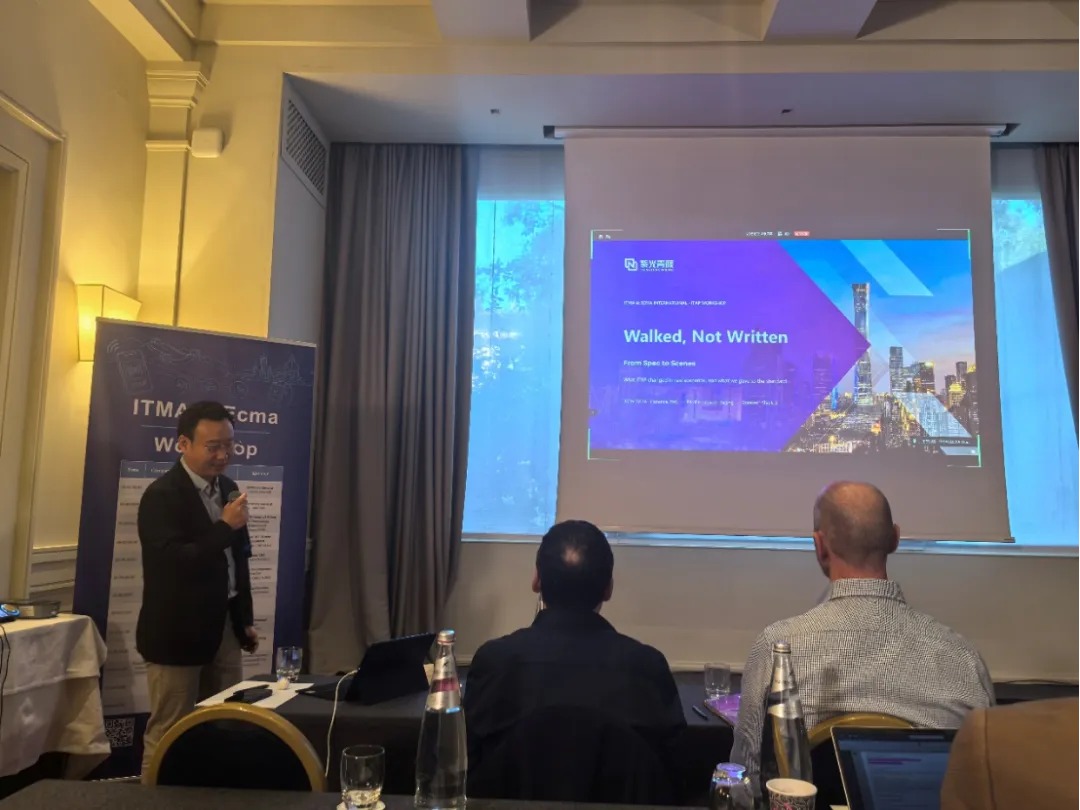
For a chip design company, successful product deployment hinges on both foundational technical capability and seamless integration with terminal devices, industry applications, and technical specifications. NFC spans multiple interdependent industrial stages—including chips, terminals, application software, infrastructure, and testing & verification—and consistent communication and shared interpretation of standards across these stages are vital for coordinated ecosystem growth.
This international seminar provided Tsingteng Micro with a valuable opportunity to track technical standards progress, exchange insights on industrial application requirements, and reinforce collaboration with key industry organizations.
Tsingteng Micro will continue monitoring the evolution of NFC technical standards and the broader application ecosystem—and will collaborate with industry partners to deepen the alignment between technical specifications and real-world deployment scenarios.
5. Key takeaways: Sustaining a multi-dimensional dialogue on standards, applications, and verification
Reflecting on this series of meetings, the exchange on NFC technology and the iTAP ecosystem crystallized around three core dimensions.
First, an expanded international perspective on technical exchange.
Through the Florence–Beijing dual-venue linkage, the meetings convened international standards bodies and industrial enterprises on a shared platform—facilitating knowledge exchange across geographies and application domains.
Second, enhanced alignment of technical standards with scenario-driven requirements.
From NFC payments and cross-border digital wallets to urban transportation and digital identity, application-focused topics offered multidimensional scenario references for standards deliberation—while the working group sessions drilled deeper into specification-level technical details and implementation pathways.